[Firefighting Protective Suit] is an essential piece of equipment for firefighters and those working in high-risk fire and explosion environments. This suit is designed to protect the wearer from high temperatures, flames, chemicals, and other harmful agents.
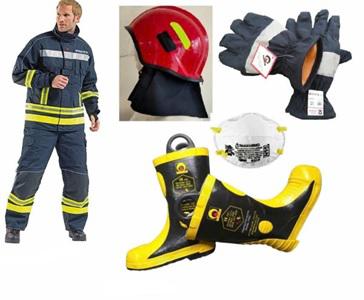
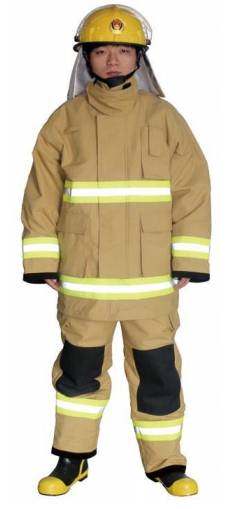
A firefighting protective suit typically includes a jacket, pants, helmet, respirator (gas mask), gloves, and boots, made from special materials that are heat-resistant and fire-retardant. A standard suit usually complies with national fire safety regulations (such as Circular 48/2015/TT-BCA in Vietnam) and is manufactured from aramid fibers (Nomex, Kevlar) or other fire-resistant synthetic materials.
Details of the Firefighting Protective Suit
- Fire-resistant clothing:
- Made from heat-resistant, fire-retardant materials like Nomex or Kevlar.
- Multi-layered design with an insulation layer and a waterproof layer.
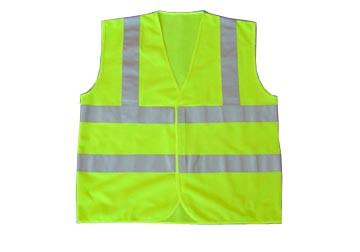
- Features reflective strips for increased visibility in low-light conditions.
- Protective helmet:
- Made from heat-resistant, impact-resistant materials.
- Includes a face shield to protect the eyes and face.
- Has a nape protector to safeguard the neck.
- Protective gloves:
- Made from heat-resistant, cut-resistant materials.
- Close-fitting design with high flexibility.
- Protective boots:
- Made from heat-resistant, slip-resistant materials.
- Steel toe cap for toe protection.
- Respirator or gas mask:
- Capable of filtering smoke and toxic substances.
- Ensures respiratory safety.
Key Features
- High heat and fire resistance: Protects the wearer from high temperatures and flames.
- Chemical resistance: Prevents contact with hazardous chemicals.
- High durability: Ensures longevity and long-term protection.
- Comfortable design: Allows for flexible movement during work.
- Additional safety features: Such as reflective strips and impact resistance.
Usage Instructions:
- Preparation before wearing:
- Inspect the suit for tears, holes, or damaged zippers.
- Ensure all accessories (helmet, gloves, boots) are complete and undamaged.
- How to wear:
- Put on pants first, zip or button securely.
- Put on the jacket, zip up to the neck, ensuring the collar covers the neck area.
- Wear the helmet, adjust straps for a snug fit, and lower the face shield if needed.
- Put on gloves and boots, check for secure fit.
- During use:
- Combine with a respirator or self-contained breathing apparatus (SCBA) to protect the respiratory system in smoky environments.
- Move carefully, avoiding prolonged direct contact with flames beyond the suit's tolerance.
- After use:
- Remove the suit gradually, starting with the helmet, gloves, jacket, pants, and then boots.
- Wipe off dirt, check for damage, and store in a dry place.
Precautions for Use:
- Heat limit: Avoid continuous exposure to flames for extended periods (typically only 10-15 seconds at extremely high temperatures), as the suit has a limited heat resistance.
- Regular inspection: Before each use, thoroughly inspect seams and fire-retardant layers to prevent risks from damage.
- Do not modify: Do not cut or alter the suit, as it may reduce its protective effectiveness.
- Storage environment: Avoid direct sunlight, humid places, or proximity to chemicals, as these can degrade the material quality.
- Training: Only individuals trained in firefighting should use the suit to ensure safety and effectiveness.
Firefighting Protective Suits are indispensable tools in firefighting operations and for protecting the lives of fire brigades and individuals working in high-risk environments. With their specialized design and superior protective capabilities, they provide peace of mind and effectiveness when facing fires. However, to maximize their utility, users must adhere to usage instructions, proper storage, and combine them with other supporting equipment such as fire extinguishers and respirators.