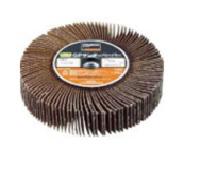
Trusco Sandpaper GPSP10025 (180 Grit) is a type of circular sandpaper with a diameter of 100mm, manufactured by Trusco, a renowned Japanese brand. The 180 grit indicates a moderately fine grit, used in stages requiring a relatively smooth surface or preparation for subsequent finishing steps.
Trusco Sandpaper GPSP10025 (180 Grit) Specifications
Grit size: 180
Outer diameter: 100mm
Spindle diameter: M10
Thickness: 25mm
Highlights of Trusco Sandpaper GPSP10025 (180 Grit)
- 180 Grit: This is an ideal grit for many tasks:
- Surface Smoothing: Removes minor scratches and rough edges after using coarser grits (e.g., 100, 120).
- Surface Preparation: Creates moderate roughness for better adhesion of paint, glue, or finishing coats.
- Sanding Between Coats: Smooths out old paint or primer layers before applying the next coat.
- Quality Abrasive Material: Typically uses abrasive grains like Aluminium Oxide or Silicon Carbide, securely bonded to a paper or cloth backing, ensuring effective abrasion and high durability.
- Standard Size: "10025" may refer to the dimensions of the sandpaper (e.g., 100mm x 25m for a roll, or 100x25mm for a sheet, though dimensions are usually larger and the product code is just an identifier). This ensures easy compatibility with hand-held or machine sanders.
- Flexibility: Can be used dry or wet depending on the material and specific job requirements (check manufacturer's specifications).
- Durability: Good resistance to clogging and wear, allowing for extended use before replacement.
Applications
Trusco Sandpaper GPSP10025 (180 Grit) is widely used in various fields:
- Woodworking and Furniture:
- Smoothing wood surfaces after rough sanding, preparing for painting, varnishing, or PU coating.
- Sanding between primer or finish coats for a smooth and well-adhered surface.
- Removing minor wood burrs or imperfections.
- Metalworking:
- Removing light rust or stains from metal surfaces.
- Cleaning and preparing metal surfaces before painting, welding, or plating.
- Smoothing welds.
- Automotive:
- Preparing vehicle surfaces before priming or painting.
- Smoothing minor scratches or repair areas.
- Sanding car bodies before polishing (for minor scratches requiring smoothing).
- Construction and Decoration:
- Smoothing plaster, putty, or wall surfaces before painting.
- Finishing composite materials.
- Home and DIY:
- Repairing and restoring old items.
- Smoothing sharp edges.
- Preparing surfaces for craft projects.
Usage Notes
- Choose the Right Grit: Always select the appropriate grit for the task. 180 grit is moderately fine and not suitable for heavy material removal or rapid abrasion.
- Check the Surface: Ensure the surface to be sanded is clean, free of oil and large debris to avoid reducing efficiency or causing clogging.
- Appropriate Pressure:
- Use moderate pressure when sanding. Excessive pressure can damage the surface or wear out the sandpaper quickly.
- Light and even pressure will create a smooth and uniform surface.
- Sanding Direction:
- When sanding wood, sand with the grain to avoid cross-scratching.
- When sanding metal or other surfaces, you can sand in circular motions or various directions for best results, then finish with a single direction pass for uniformity.
- Use with Suitable Tools:
- Can be hand-sanded with a pad or used with orbital, random orbital, or belt sanders (depending on the sandpaper format - sheet, roll, or disc).
- Ensure the sandpaper is securely attached to the tool to prevent slipping or damage.
- Work Safety:
- Wear safety glasses: To protect eyes from dust and flying particles.
- Wear a mask: To avoid inhaling fine dust, especially when sanding wood, metal, or dusty materials.
- Wear gloves: To protect hands from friction and scratches.
- Work in a well-ventilated area or use a dust extraction system.
- Regular Inspection and Replacement: When the sandpaper is worn, clogged (dust accumulated on the surface), or no longer effective, replace it with a new one to ensure work quality.
Trusco Sandpaper GPSP10025 (180 Grit) is a high-quality abrasive material, playing a crucial role in surface finishing stages. With its 180 grit, it is ideal for smoothing, removing minor imperfections, and preparing surfaces for subsequent coatings.